
 Back
Back


E-commerce is showing no signs of stopping. It is expected to grow 12X in 10 years, ending in 2026.
People are buying everything online, from food to groceries to medicines to clothes. This leads to an obvious conclusion. More commercial vehicles will run on the city roads to transport these goods.
But Indian cities aren’t ready for this growth.
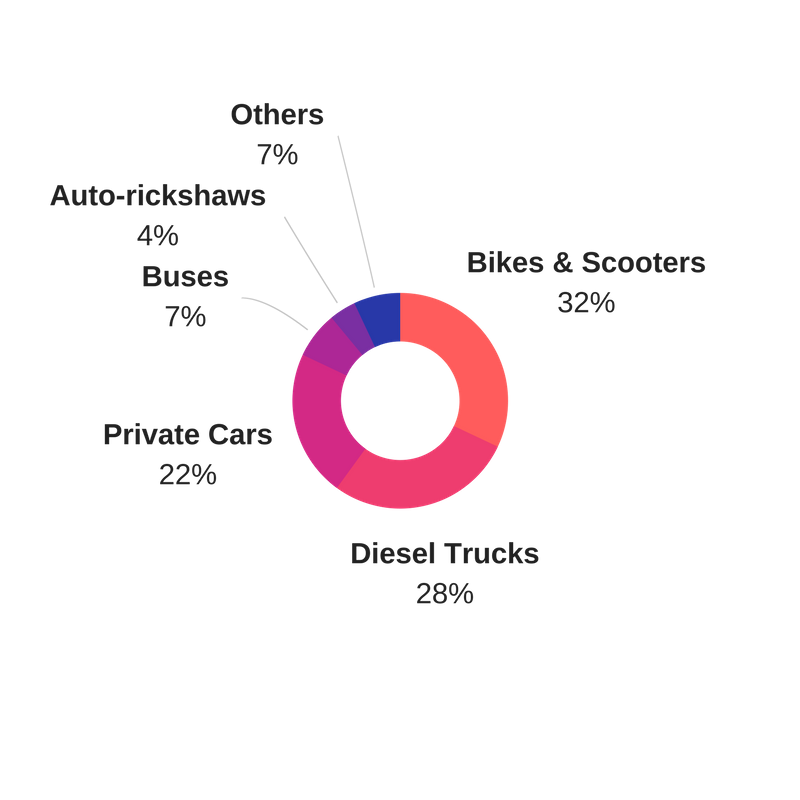
Our cities are badly polluted. Delhi, Bengaluru, and Mumbai consistently feature in the list of the world’s most polluted cities. People living in Vijayawada are struggling with noise levels that are almost 60% higher than the permissible limit. More commercial vehicles will only add to the problem.
Unless they are electric. Electric vehicles result in zero local emissions, and they definitely cause less noise. Alongside, electric vehicles are proving to be the most economical alternative to deliver goods at the last mile.
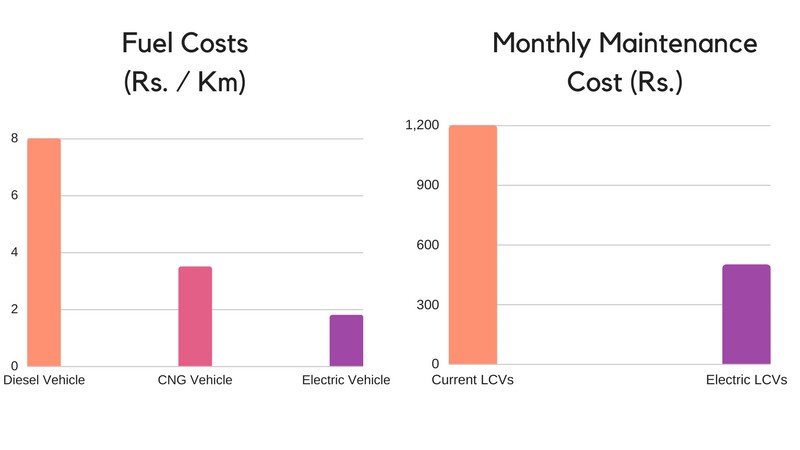
The benefits to the logistics industry are obvious. Shippers can save on distribution costs as well as support a sustainable supply chain.
Within intra-city deliveries, we find an interesting trend. The shipper’s distribution centers are getting closer to the consumers. In fact, Shadowfax’s O2O model doesn’t use a distribution center at all. We pick goods from the sellers and deliver them directly to the customer’s address, mostly in under an hour.
Now that distribution centers are closer to the point of delivery, vehicles don’t need to travel long distances. This makes it likely for businesses to adopt EVs for last-mile deliveries. The limited range of electric vehicles is generally a constraint in logistics. But they can be used at a hyperlocal scale just fine.
Actually, Tony Montana is right there.
Route planning works differently when you have electric vehicles. The battery levels determine the route that vehicles would take. More efficient batteries, as well as a network of charging stations, are needed to avoid the fate of early-generation EVs.
That said, it is good news that the government made it easier to set up charging stations. On April 13, the Ministry of Power clarified that people don’t need a license to set up a charging station for electric vehicles.
The policy will encourage entrepreneurs to build the charging infrastructure. The competition in private markets will make them build it faster.
In India, Mahindra launched e-Supro in 2016. However, the vehicle needs to be back at the point of origin to charge itself, which takes 8.5 hours.
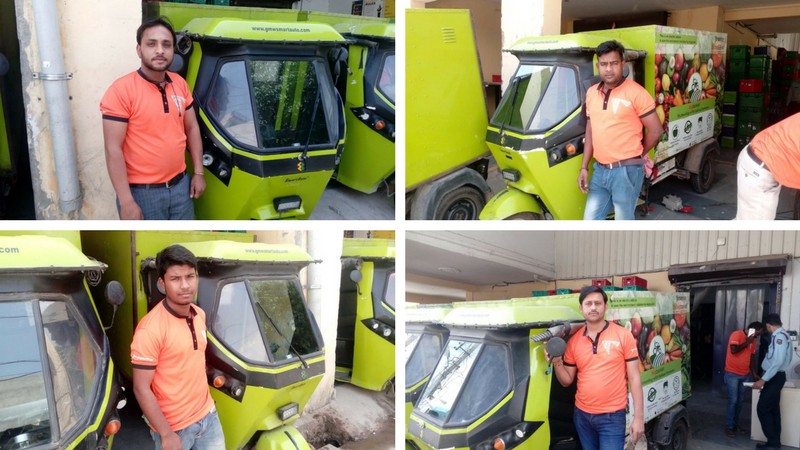
Gayam Motor Works (GMW), on the other hand, uses swappable batteries for its cargo vehicles. These can be changed within a minute and allow the manufacturer to offer the EV at an affordable cost.
These two features are compelling enough for Shadowfax to use GMW’s electric LCVs for delivering groceries in NCR.
There are interesting ventures around the world as well.
Gnewt Cargo ran an all-electric fleet of 100 vehicles in the city of London. The logistics group John Menzies recently acquired the company.
Electric vehicles are gaining popularity all across Europe. Organizations like Frevue are actively researching to strengthen the case for EVs in city logistics. In California, companies like Tropos Technologies and Chanje are capitalizing on the growing EV opportunity in last-mile deliveries. Additionally, last-mile logistics recharge the electric-vehicle market, driving innovation and encouraging businesses worldwide to adopt sustainable solutions in their logistics operations.
Professor John Polak is the director of the Urban System Laboratory at Imperial College London. Last June, he studied the social impact and people’s attitudes towards electric freight vehicles across Amsterdam, Lisbon, London, Madrid, Milan, Oslo, Rotterdam, and Stockholm.
Drivers loved the instant power and quietness of an EV. They found the vehicles simple to operate as well. Towards the end of the delivery routes, drivers did find themselves running out of battery, though. Cold weather also affected the battery life and made drivers ply in a short range of origin.
Fleet managers found it easy to integrate EVs into existing depot routines and found electric vans to be a reliable means of transport. About half of the logistics firms enjoyed using EVs and plan to increase the size of their fleet. This step is part of a wider strategy where firms are trying to decarbonize their fleet and see EVs as the most suitable alternative available.
The Indian government has wished for an all-electric fleet by 2030. But the fast-changing reality of pollution in our cities and improvements in battery technology can actually allow us to adopt EVs sooner.
Hash Tags :
#shadowfax #lastmiledelivery #3pl #thirdpartylogistic #ecommerce #electricvehicles #ev #evfleet
Related Blogs