 Back
Back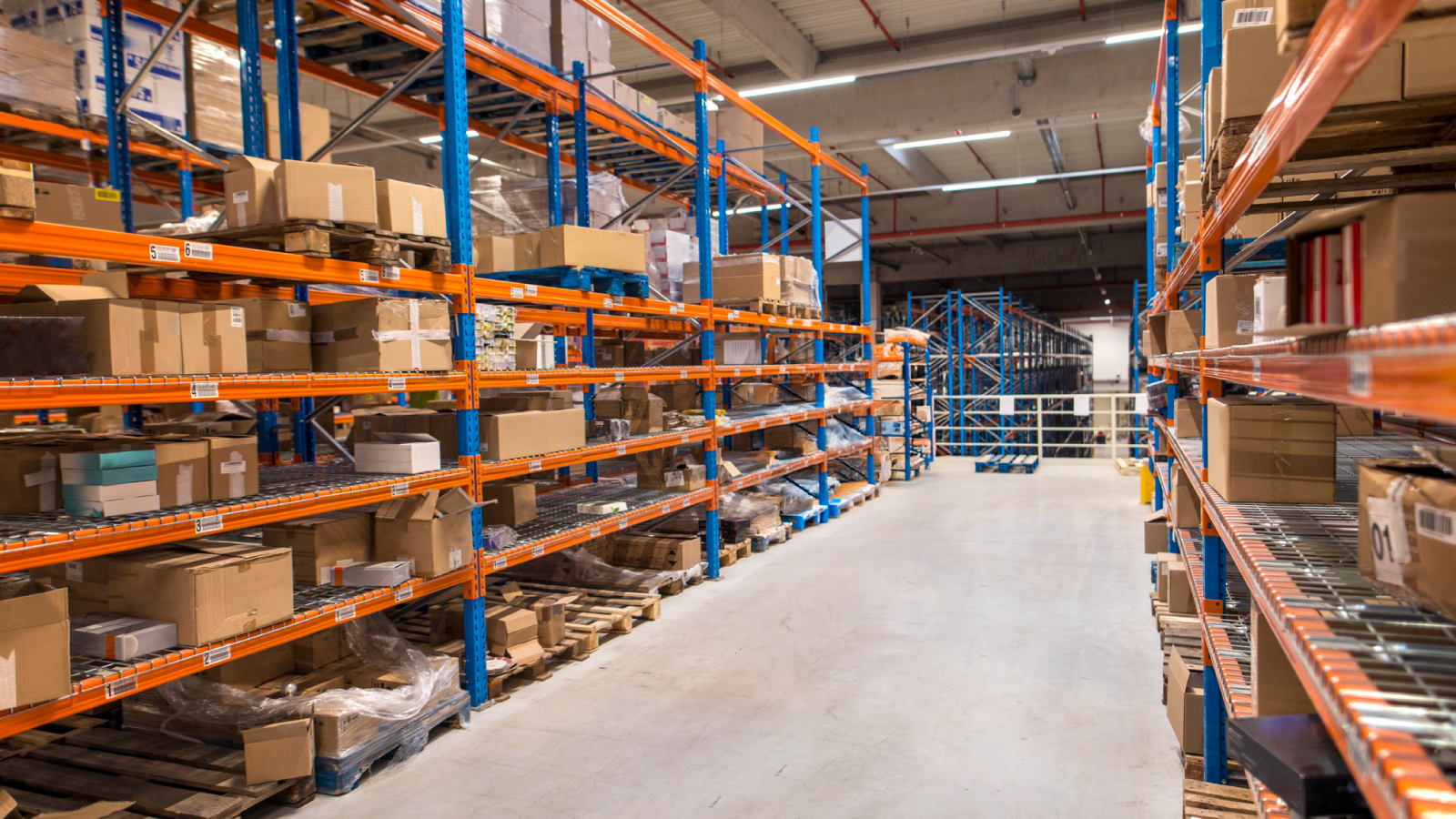


Every time a package shows up at your door a day after you ordered it, there's a long chain of decisions behind that, where the product was made, which warehouse it sat in, which truck picked it up, and how it got routed to your city. Most of that is invisible to the customer. But for the business on the other end, this chain is often the difference between repeat customers and one-time buyers.
This is the supply chain. And despite how central it is to every business that makes or sells physical goods, it's still treated by a lot of companies as a back-office concern rather than something worth strategic investment. That's a mistake. Here's why.
A supply chain is the entire network of people, processes, and systems involved in turning raw materials into a product that ends up in a customer's hands. That includes sourcing, manufacturing, warehousing, transportation, and distribution.
For a small business, this might be a handful of steps: buy materials, make the product, ship it out. For a company that serves as the biggest giant in e-commerce and D2C, it's thousands of moving parts across multiple countries. But the basic idea is the same either way: get the right product to the right place, on time, without it costing more than it needs to.

A supply chain that runs well tends to fade into the background; orders arrive on time, shelves stay stocked, and nobody thinks twice about it. It's when something breaks down that its importance becomes obvious.
When delivery times are consistent, customers notice, even if they can't articulate why they trust a brand more. On the flip side, a supply chain riddled with inefficiencies quietly drains money through wasted inventory, rushed shipping, and operational firefighting costs that often don't show up as a single line item but add up over a year.
A solid supply chain also gives businesses room to grow. Expanding into a new city or country is far less risky when there's already a system in place that can scale rather than one that needs to be rebuilt from scratch. And during disruptions, a supplier going under, a shipping route closing, businesses with diversified, well-managed supply chains tend to recover faster than those caught flat-footed.
A supply chain typically involves producers, suppliers, warehouses, transportation providers, distribution centers, and retailers all coordinating, often without realizing how dependent they are on each other. A delay at one link (a supplier shipping late, a warehouse running out of packing material) tends to ripple all the way down to the customer.
Supply Chain Management, or SCM, is the discipline of coordinating all of this so it doesn't fall apart. In practice, that means forecasting demand, tracking inventory in real time, and constantly looking for ways to cut costs without cutting corners.
SCM is usually broken into four stages: first mile (sourcing raw materials), warehousing (storing and managing inventory), middle mile (moving goods between hubs), and last mile (getting the product to the customer's door). Of these, the last mile tends to be the most expensive and the hardest to get right. It's also the part the customer actually sees, which is why so much attention goes into it.
If the supply chain is the strategy, logistics is the execution. It covers transportation, warehousing, packaging, tracking, and handling returns. When logistics is dialed in, deliveries are faster and cheaper, and the business spends less time dealing with delays and damaged goods.
This is also where most of the day-to-day chaos happens: a truck breaks down, a shipment gets held up at a checkpoint, a warehouse mislabels a box. Good logistics isn't about avoiding these problems entirely (they're unavoidable at scale); it's about having systems that catch and fix them before the customer notices.
Think about how a typical online order works: a product gets made by a manufacturer, sits in a warehouse until someone orders it, gets packed and shipped, and finally arrives via last-mile delivery. Companies like Amazon and Flipkart have built entire reputations around making this process fast enough that customers stop thinking about it. Same-day or next-day delivery isn't a luxury anymore; it's an expectation.
Supply chains break down in fairly predictable ways: demand spikes or drops suddenly, shipments get delayed, inventory counts don't match reality, or a business realizes too late that it's overly dependent on one supplier. Add in larger disruptions, a pandemic, a geopolitical issue affecting shipping routes, and even well-run supply chains can get exposed.
A few shifts are reshaping how supply chains operate. AI-based demand forecasting is getting good enough to catch patterns humans would miss. Warehouses are automating repetitive tasks like sorting and picking. Real-time tracking has gone from a nice-to-have to a baseline expectation. And as delivery expectations shrink to same-day or even within hours, hyperlocal delivery networks and sustainable logistics practices are becoming less of a differentiator and more of a requirement.
A supply chain isn't just plumbing that keeps a business running in the background; it's a strategic lever. Companies that treat it as one tend to grow faster, spend less, and recover quicker when things go wrong. The ones that don't usually find out the hard way.
It's the process of producing and delivering a product from the supplier to the customer.
It keeps operations running smoothly, keeps costs in check, and directly affects how satisfied customers are.
Planning, sourcing, manufacturing, delivery, and returns.
Logistics is about transportation and storage specifically; supply chain is the bigger picture, covering everything from sourcing to final delivery.
Hash Tags :
#shadowfax #supplychain #logisticservice #supplychainmanagement #businessgrowth #supplychainservices
Related Blogs